
The Illusion of Control
One of the most effective psychological tricks employed by casinos is the illusion of control. Players often feel a sense of agency when engaging in games of skill, such as poker or blackjack, where decision-making plays a significant role. This perception can lead individuals to believe they have more influence over their outcomes than they truly do, thereby encouraging them to continue playing even in the face of losses. Additionally, some players appreciate visiting a non gamstop uk casino to explore diverse gaming options.
This illusion is not just limited to skill-based games; even in games of chance like slots, casinos design environments that evoke a sense of control. For instance, players may be allowed to choose their betting amounts or when to press the button to spin. These small choices give an illusion of empowerment, making players more likely to stay engaged longer than they intended.
The Sound and Visual Effects
Casinos invest heavily in the auditory and visual stimuli they provide. Bright lights, vibrant colors, and engaging sounds all contribute to an exhilarating atmosphere that keeps players entertained and distracted from the passage of time. The sounds of coins clinking, machines beeping, and ambient music create an environment that can quickly lead to overstimulation, heightening excitement and encouraging longer play sessions.
These sensory elements can also trigger emotional responses, reinforcing behaviors that lead to continued play. The sound of winning, for instance, can create a rush of dopamine, reinforcing the idea that success is just around the corner and prompting players to take that extra spin or hand, despite the odds.
Rewards and Incentives
Casinos are masters at creating reward systems that encourage players to keep coming back. Comp programs, free plays, and bonuses serve as powerful motivators. While these rewards can seem enticing, they are strategically designed to create a cycle of playing and losing, often leading players to chase their losses in hopes of getting more free rewards.
The scheduling of these rewards is also crucial to their effectiveness. In psychological terms, this is akin to a variable ratio reinforcement schedule, where players receive rewards at unpredictable intervals. This unpredictability keeps players engaged, as they are conditioned to believe that their next big win could happen at any moment.
The Social Environment
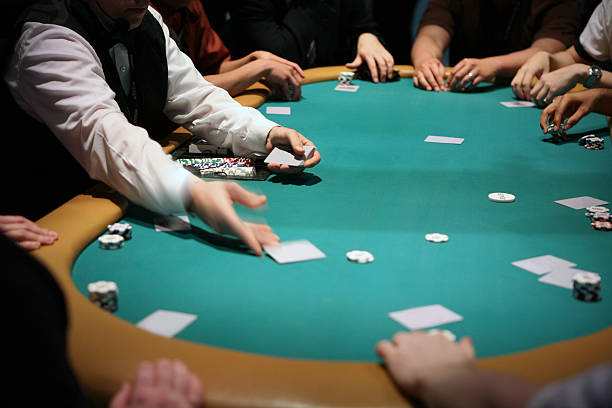
Many casinos create a social atmosphere that enhances the gaming experience. Whether it’s through group games or simply the presence of other players, this social interaction can significantly influence a person’s willingness to keep playing. The camaraderie felt while playing alongside others can create a sense of belonging and excitement that keeps players at the tables longer.
Moreover, casinos often encourage social behaviors by facilitating interactions among players. This can include offering drinks or allowing for more relaxed gaming, both of which contribute to an enjoyable experience that players don’t want to end. The longer players stay, the more they gamble, making the social aspect a key component of casino strategy.
Understanding Access and Limitations on Casino Experiences
This website serves as a critical resource for understanding the nuances of access within the context of casino experiences. While engaging with online gaming platforms or informational resources related to casinos, users may encounter restrictions or permissions that can limit their experience. It is essential to navigate these aspects carefully to maximize enjoyment and understanding of the casino environment.
Ultimately, while casinos employ various strategies to keep players engaged through psychological tricks, being aware of these tactics can empower individuals to make more informed decisions about their gaming habits. Understanding the balance between enjoyment and moderation is key to enjoying the casino experience without falling prey to its manipulative elements.